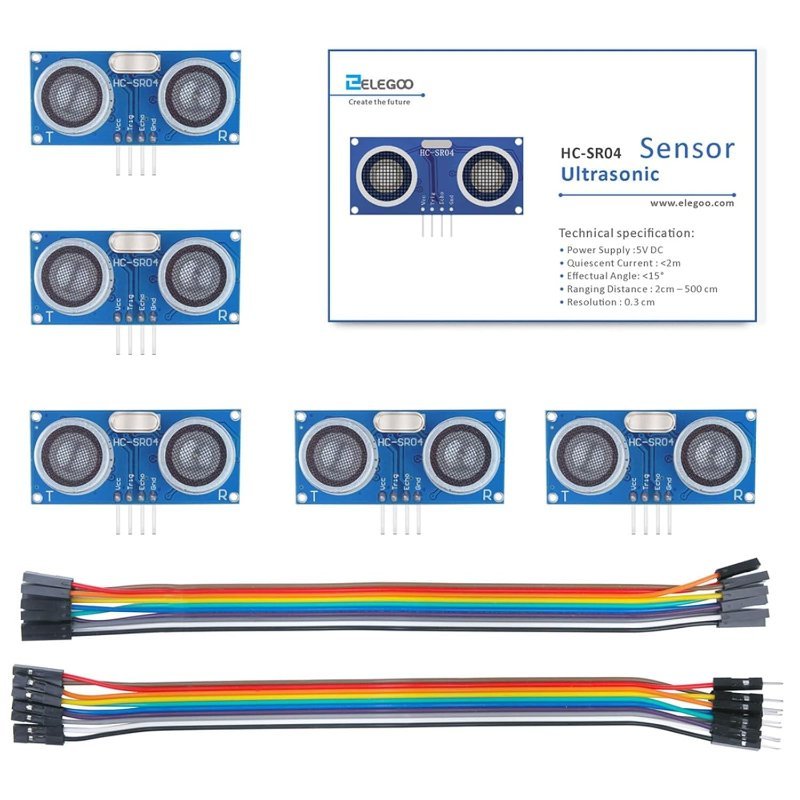
Sensors Every Beginner Robot Needs: Ultrasonic, IR, and Line Sensors Explained
Ultrasonic, IR obstacle, and line sensors do almost all the perception work on beginner robots. How each one actually works, and the exact multi-packs to buy.

Ultrasonic, IR obstacle, and line sensors do almost all the perception work on beginner robots. How each one actually works, and the exact multi-packs to buy.
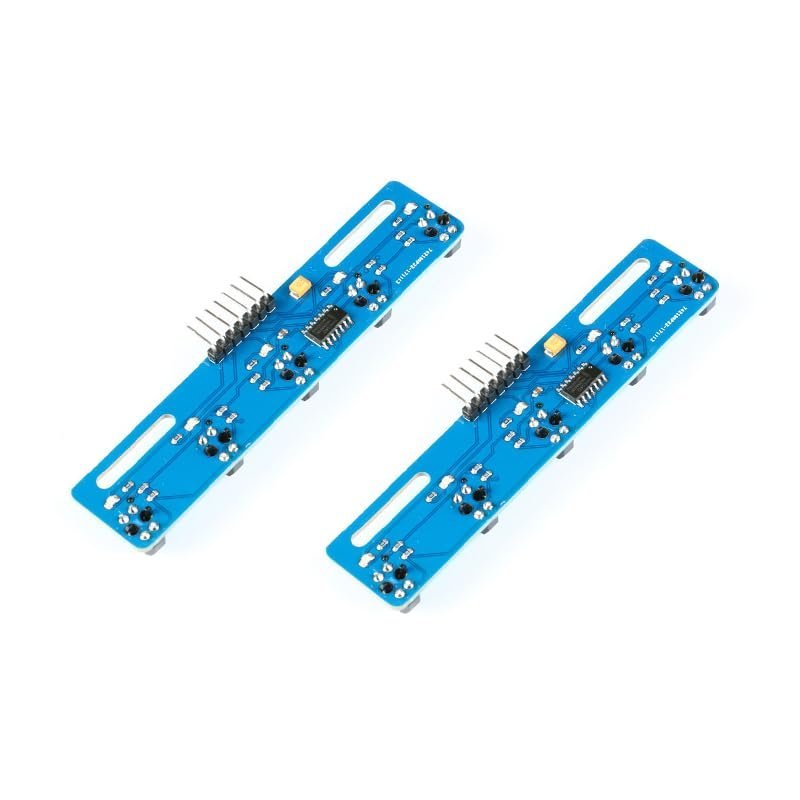
A line follower is the cheapest way to learn closed-loop control: five infrared eyes, two motors, and code that has to react faster than the robot moves. Here is the full parts list, the wiring that trips people up, and the logic that actually keeps it on the line.
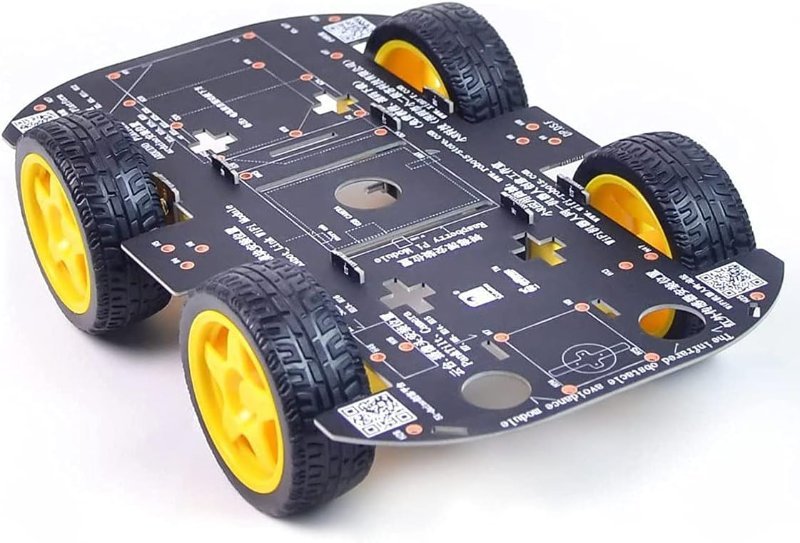
Most beginners buy the cheapest 2WD acrylic car and regret it by week three. Here is how 2WD, 4WD, and tracked metal chassis actually differ — and which one to buy first.
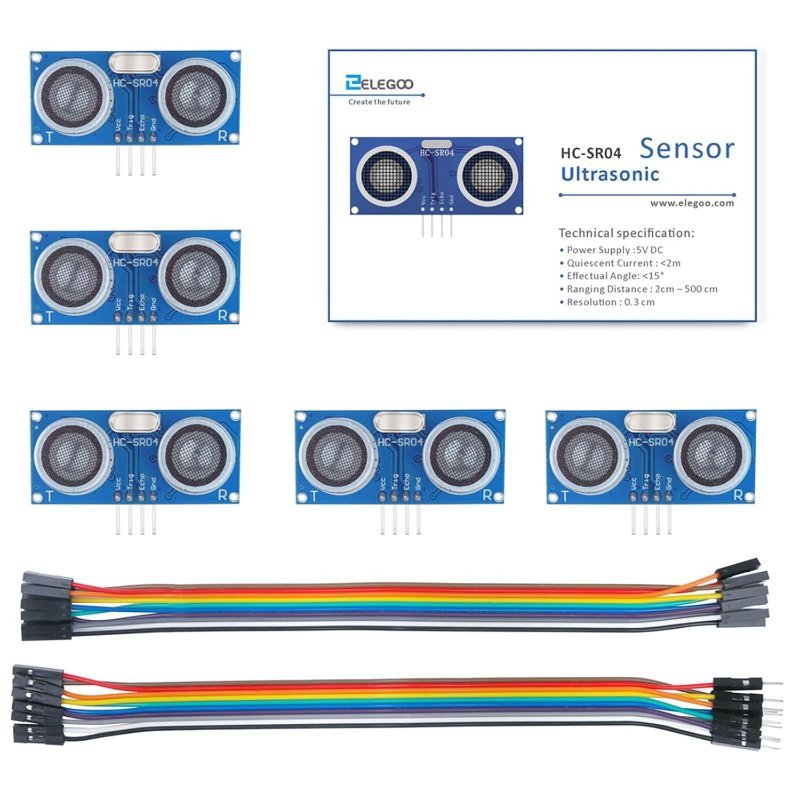
Random spikes, phantom zeros, and readings that jump around almost always trace back to one of five causes: your target, your timing, your timeout, your power, or the temperature. Here is how to tell which one you have.
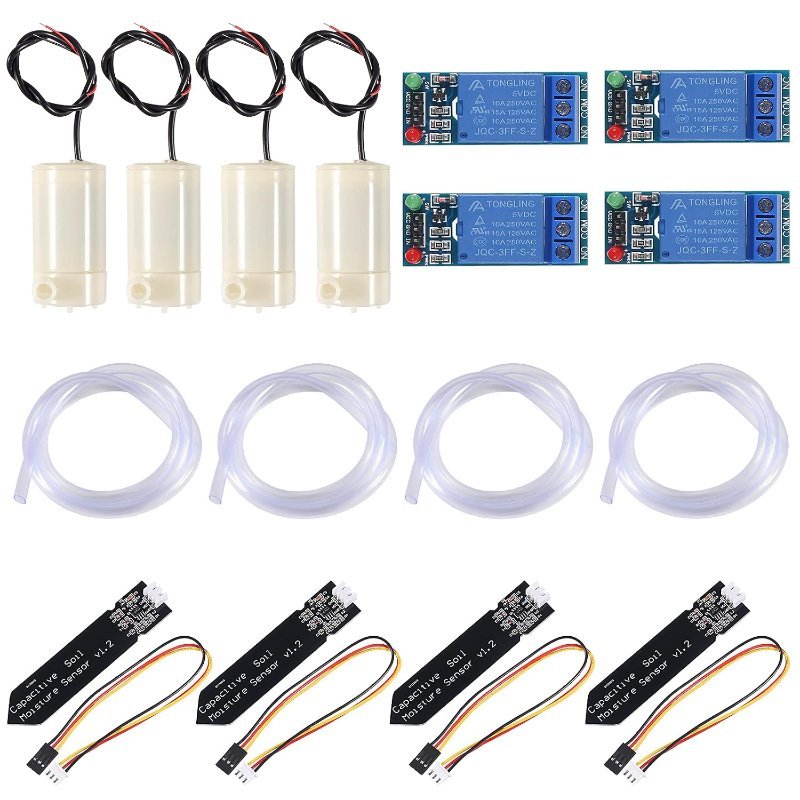
A capacitive soil sensor, a relay, and a $16 pump kit are all it takes to keep four plants alive while you travel. Here’s how the classic build works — and the four details that decide whether it survives ten unattended days.
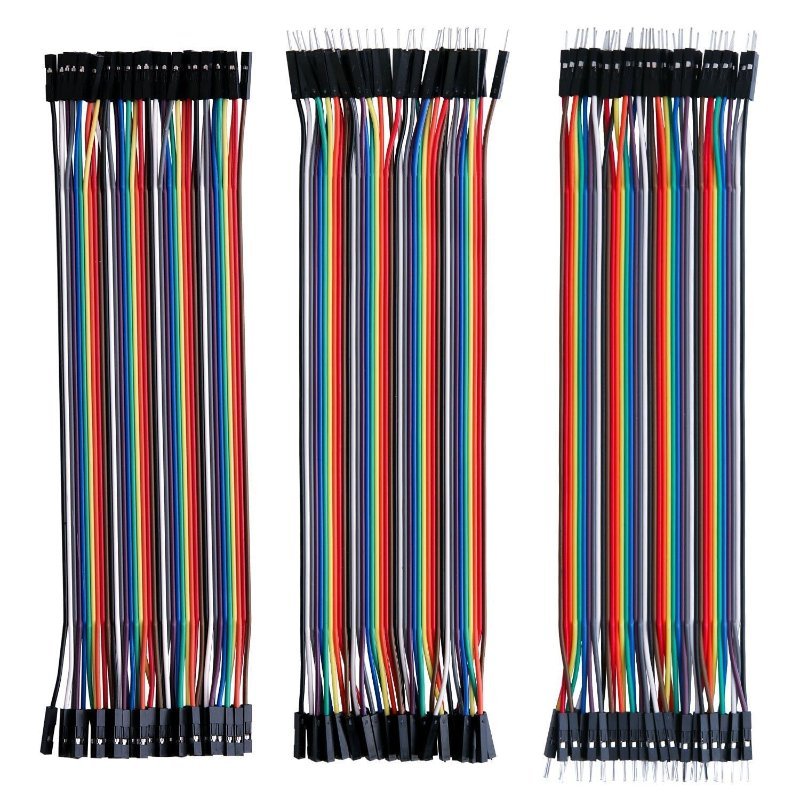
Jumper wires are the cheapest part of any build and the one most likely to waste an afternoon. Here is what separates a set that lasts from a bag of intermittent junk, plus the three kits I keep buying.
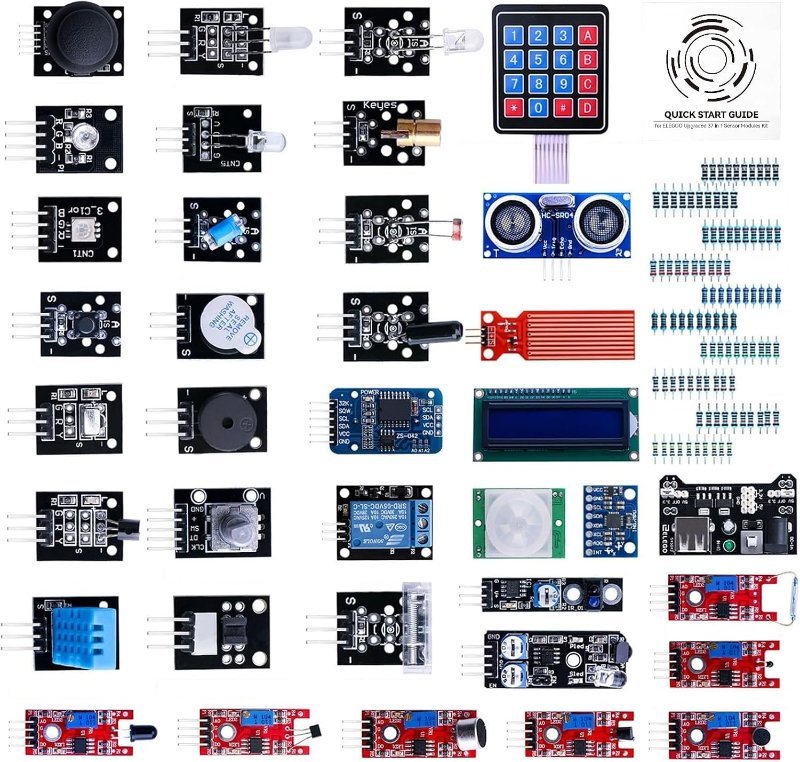
Digital and analog pins aren’t just different labels on the header — they’re two different circuits asking two different questions of the same wire. Here’s what each actually measures, why analogWrite() isn’t analog at all, and the cheapest way to see the difference on a breadboard.
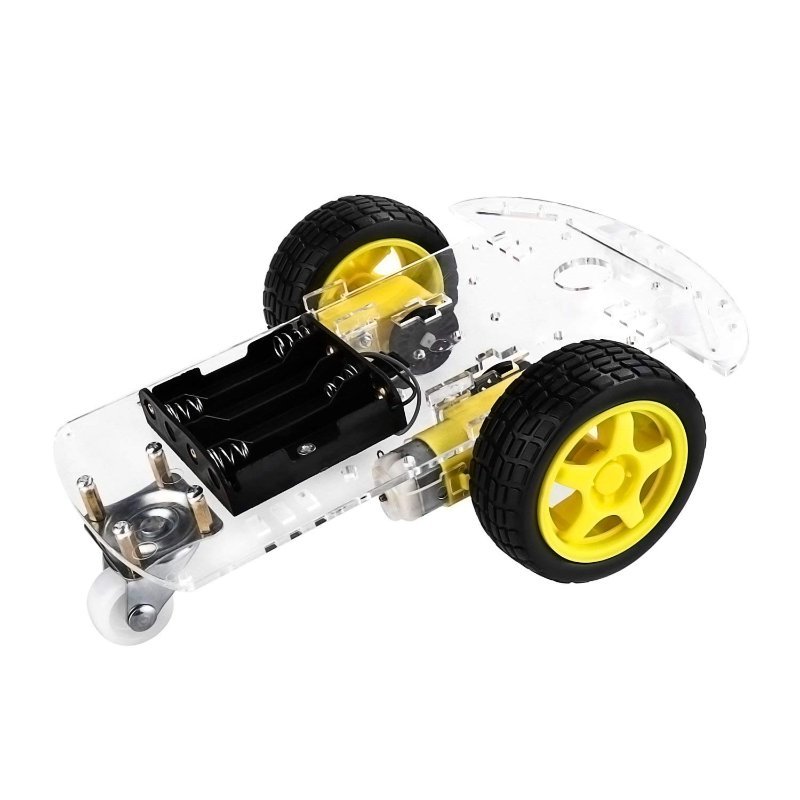
The chassis is the part of a robot everyone treats as an afterthought, and it quietly decides whether the thing drives straight. Differential drive, center of gravity, wheelbase, acrylic vs. aluminum, and what to actually buy for a first build.
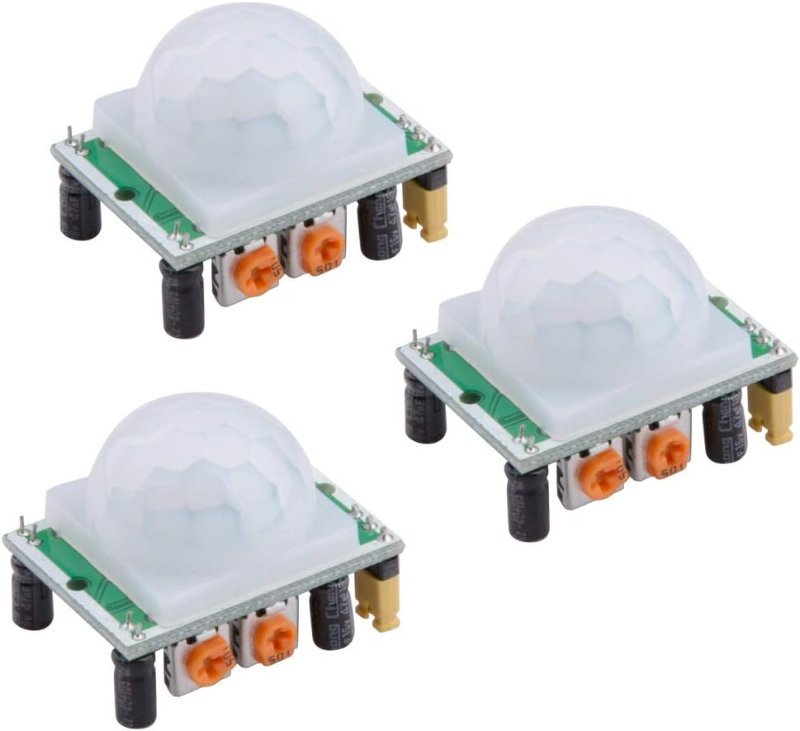
A PIR motion sensor, magnetic reed switches, a passive buzzer and a keypad — what each part actually does, the gotchas that make beginner alarms misfire, and the state-machine logic that ties the whole thing together.
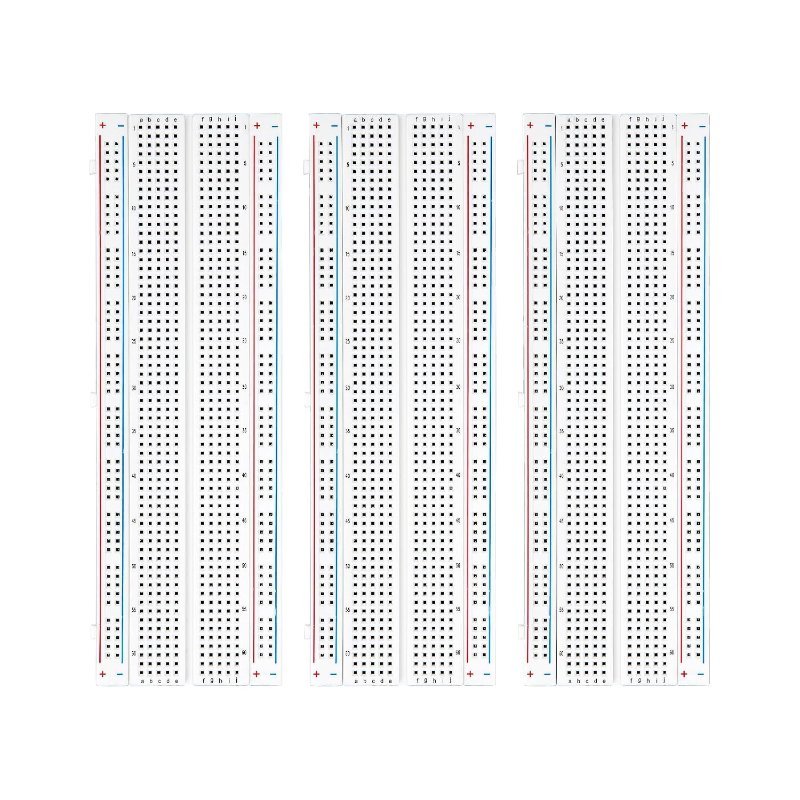
Breadboard, perfboard, and fabricated PCB are not competing options — they are three stages of the same circuit’s life. Here is how to tell which stage yours is in, and what each one actually costs you.