5V vs. 3.3V Logic Levels, Explained: Why It Matters for Your Wiring
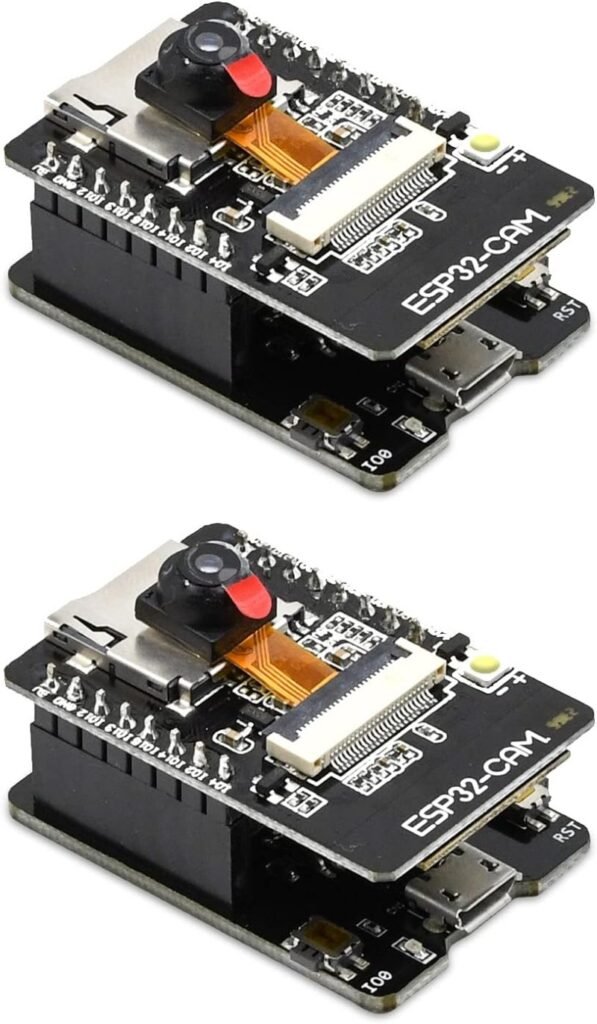
What “5V logic” and “3.3V logic” actually mean, why mixing an Uno and an ESP32 in the same circuit isn’t automatically safe, and how to fix it when it comes up.
The complete parts list, wiring diagram, and code walkthrough for a working Arduino weather station — temperature, humidity, and dew point in about an hour.
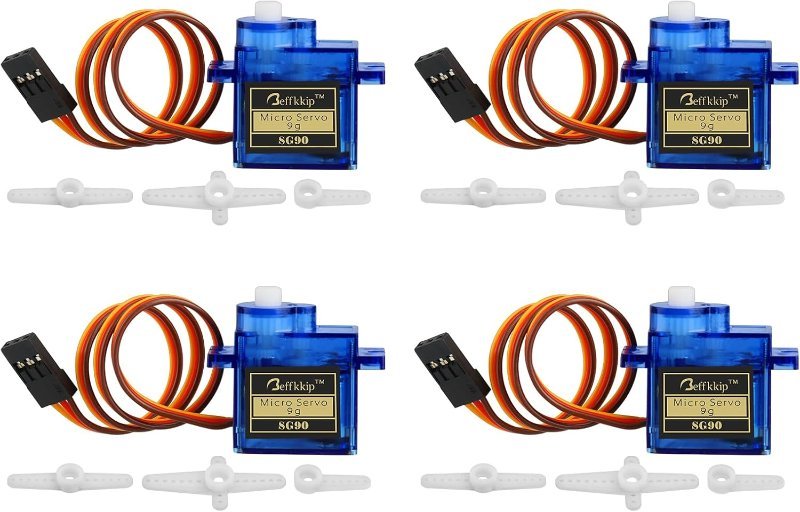
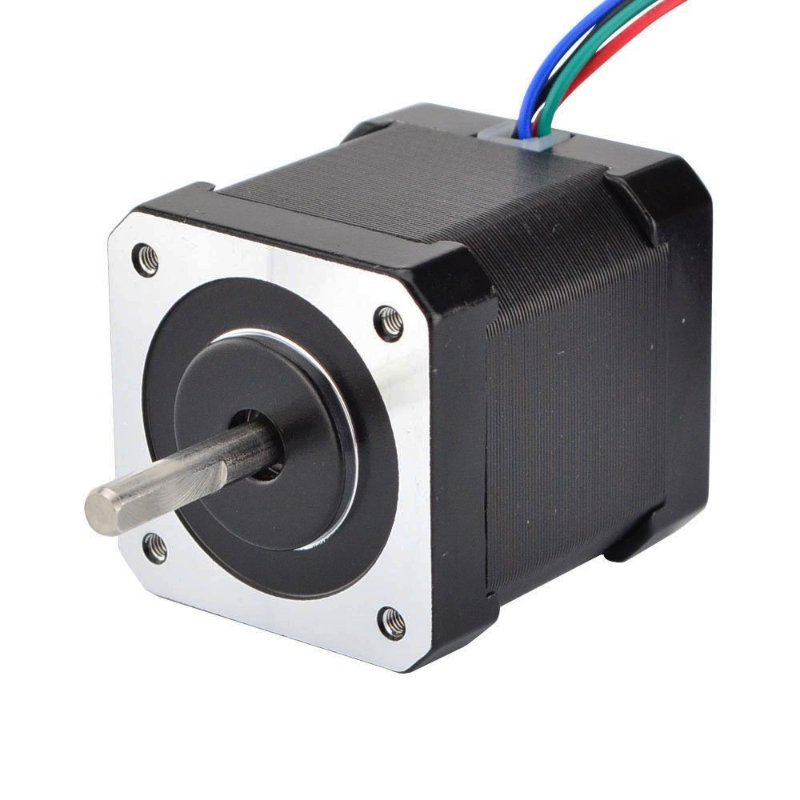
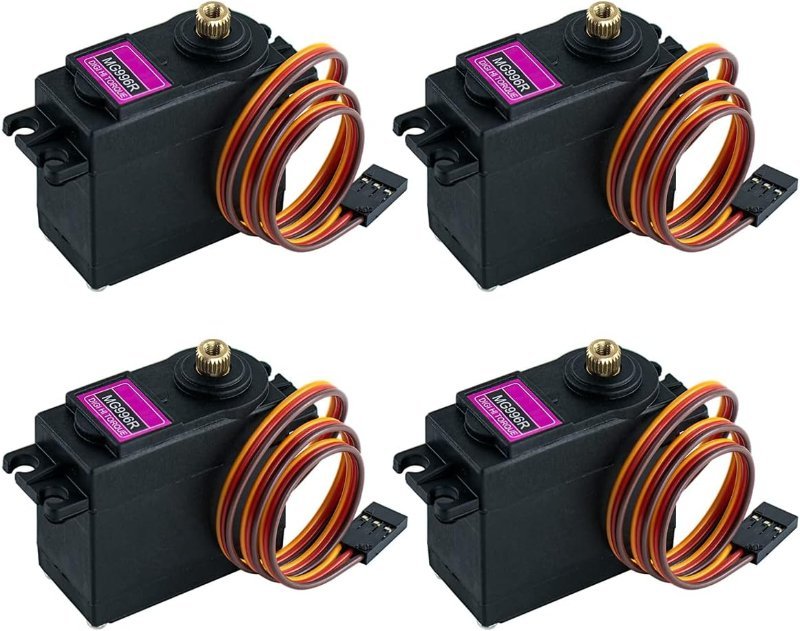
Servos, DC motors, and stepper motors solve different problems. Here’s what actually separates them and how to pick the right one for your robot.
A $30 Arduino and DHT22 build that outperforms most consumer indoor weather stations. Here’s how it works and why it’s better.
Board not showing up in the Arduino IDE’s Ports menu? Work through these five causes in order — the actual problem is almost always the cable.
We ran distance tests on the HC-SR04 ultrasonic sensor to see how accurate it really is, and where it starts to fall apart.
The LAFVIN Basic Starter Kit promises a lot for $15. We unboxed it and tested the components to see what actually holds up — and what it doesn’t include.
We compared three price tiers of Arduino starter kits to find out which ones are actually worth buying, and which are just the same forty parts in different boxes.
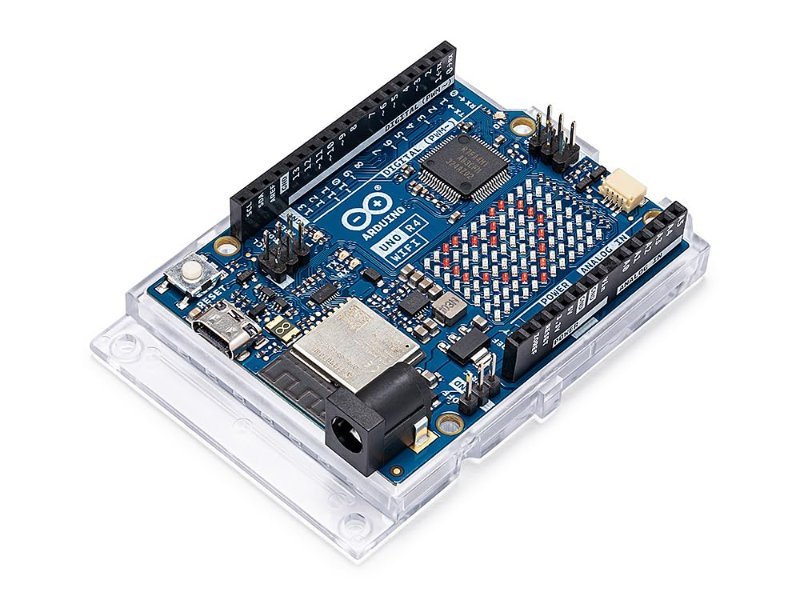
Uno, Nano, and ESP32 all run Arduino code, but they are not interchangeable. Here’s what actually separates them and which one fits your project.
The classic first Arduino project, done properly with an external LED instead of the onboard one — plus what each line of the code is actually doing.